

From packaging to textiles to construction materials, biotechnology is transforming how we design and manufacture the world around us. Leather tanning is no exception. The rise of plant-based processes like Sumac tanning marks a major turning point in material science.
Here’s how biotech is redefining the leather industry — and why the future is rooted in nature.
Nature as a Technology Platform
Biotechnology doesn’t just imitate nature.
It uses natural processes to create cleaner and smarter materials. With Sumac tanning, this means:
extracting high-purity natural tannins
ensuring consistent molecular profiles
optimizing binding behavior with collagen fibers
reducing chemical dependency
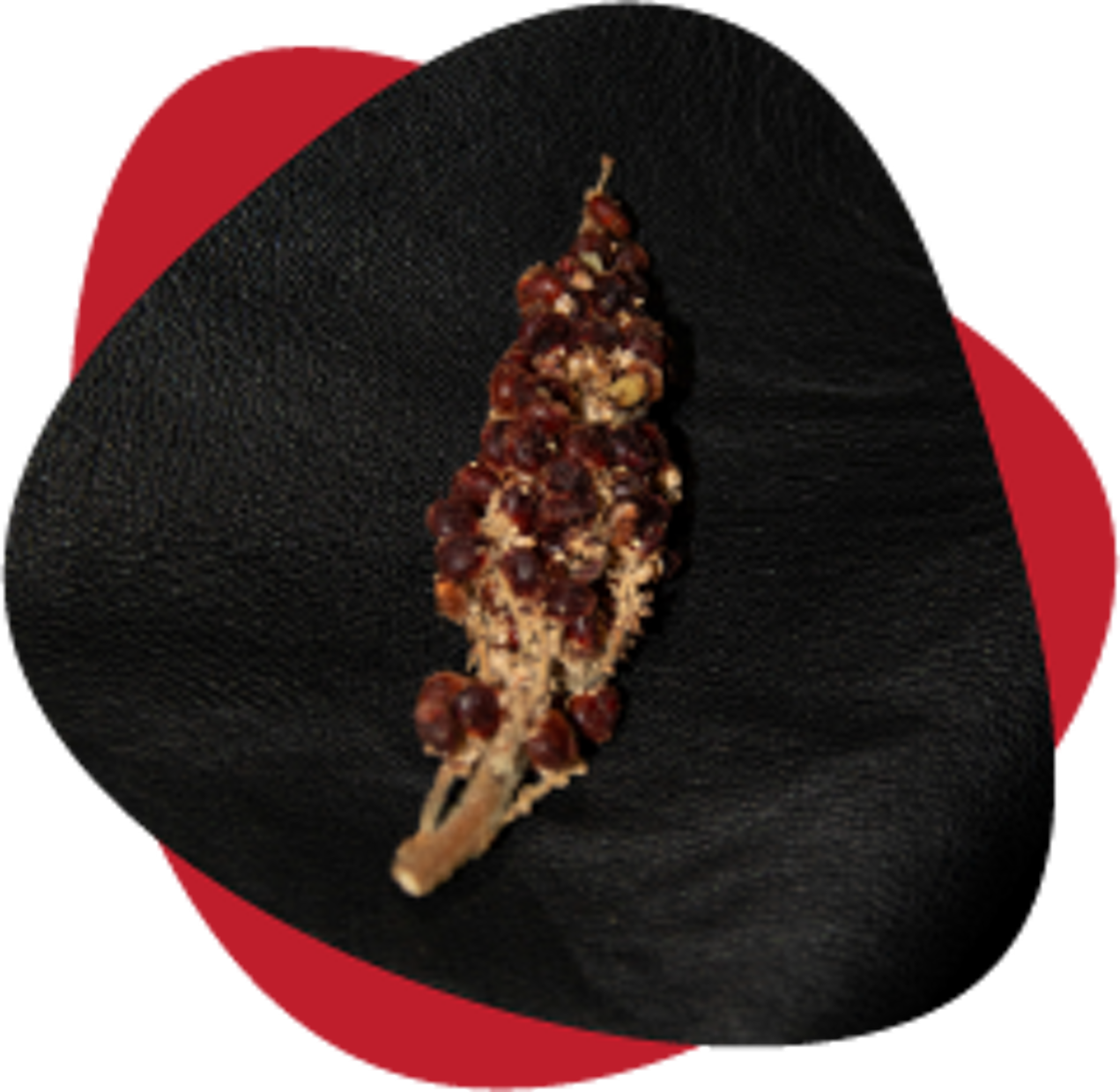
Sumac becomes not just a plant, but a bioengineered material input.
Solving the Industry’s Biggest Challenges
Biotechnology helps address long-standing problems in leather production:
heavy-metal pollution
chemical waste
water contamination
unstable dyeing
limited biodegradability
regulatory pressure
Plant-based tannins eliminate many of these issues at the source.
Scalability Through Science
In the past, natural tanning was slow and unpredictable.
Modern biotech has changed that through:
standardized extraction
controlled tannin profiles
optimized tanning temperatures and pH
shorter process cycles
improved reproducibility
This enables industrial-scale production with handcrafted aesthetics.
A Material for a Circular Economy
Plant-based leather plays a critical role in circular systems:
renewable resource input
biodegradable output
clean water loops
compost-friendly residues
long product lifespans
This aligns with global ESG targets and brand sustainability goals.
The Future of Leather Is Hybrid
We are entering a new era where material science blends:
agriculture
biotechnology
traditional craft
environmental engineering
Sumac tanning sits at this intersection — a perfect example of how ancient materials gain new life through scientific innovation.
Conclusion
Biotechnology isn’t the future — it’s the present.
Plant-based tanning methods like Sumac represent the next frontier in sustainable manufacturing: high-performance materials that respect both the planet and the people who use them. As more industries shift toward bio-based solutions, Sumac will be at the forefront of a cleaner, smarter material revolution.