
Sustainability isn’t achieved by a single company — it takes collaboration.
The Redess Green Innovation Model demonstrates how ecosystems, not isolated efforts, can transform an industry.
By bringing together WHIN, Sustainability Albero, and Leather Sumac, Redess has built a platform that pushes environmental innovation forward with measurable impact.
A Collaborative Ecosystem, Not a Supply Chain
Most supply chains are linear: raw materials → processing → finished goods.
Redess replaces this with a network of partners, each contributing expertise:
WHIN provides research, testing, and data
Sustainability Albero drives environmental strategy and certifications
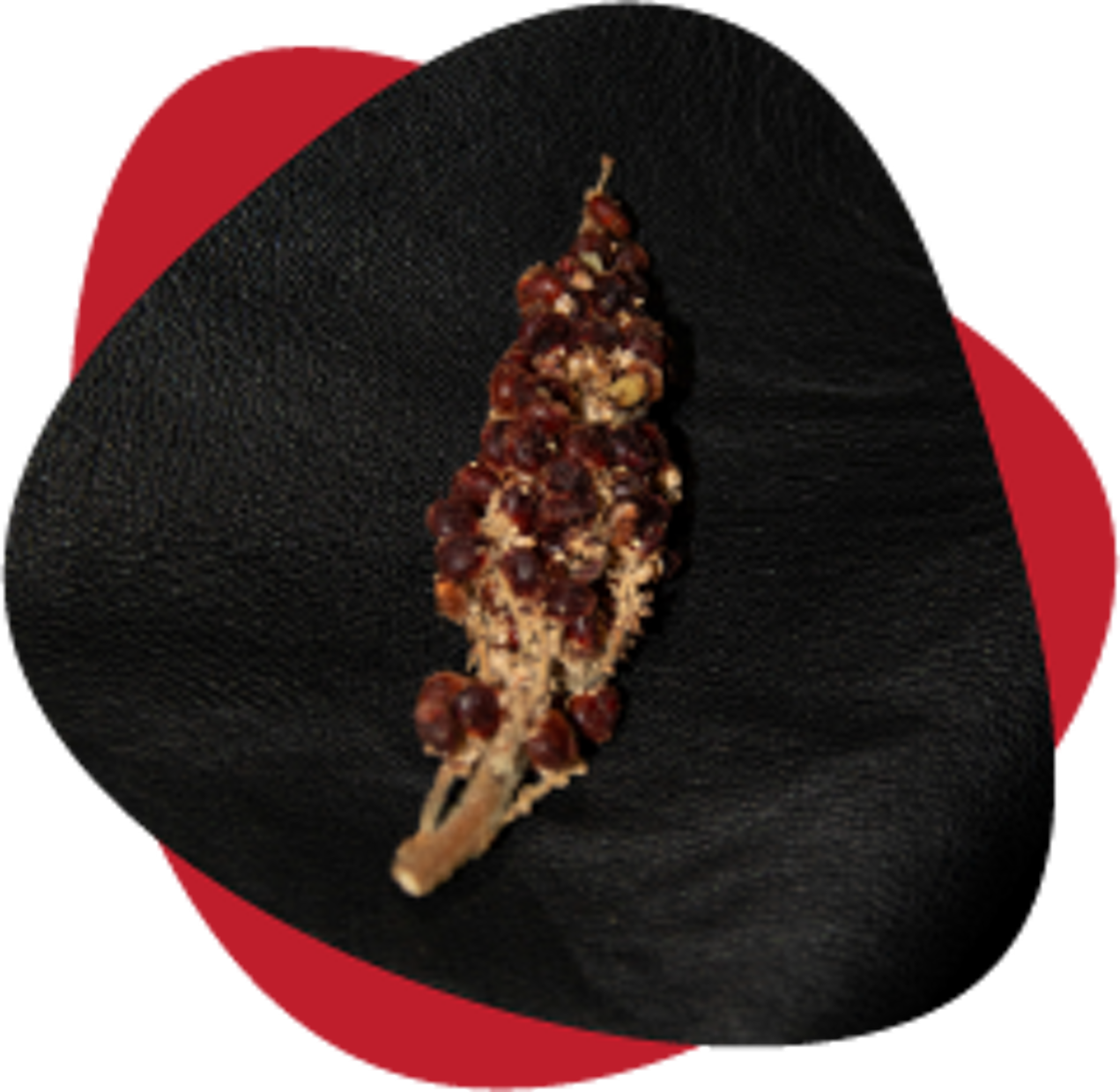
Leather Sumac delivers plant-based tanning at a commercial scale
This model ensures innovation flows in every direction.
Science-Driven Sustainability
Redess is grounded in:
life-cycle analysis
product testing
emissions tracking
circularity metrics
This data-first approach prevents “greenwashing” and builds trust with brands and consumers.
Regeneration Instead of Extraction
Leather Sumac is not just an eco-friendly alternative — it’s a regenerative one.
It supports:
low-impact agriculture
renewable resource use
clean water processes
biodegradable product outcomes
This aligns with global goals for sustainable manufacturing.
Designed for Industry Adoption
Redess didn’t create a niche solution — it built a scalable framework compatible with:
fashion
automotive
furniture
accessories
luxury goods
By making sustainability commercially viable, the model accelerates industry-wide adoption.
Conclusion
The Redess Green Innovation Model is more than a partnership — it’s a roadmap for how industries can evolve sustainably. Through collaboration, data, and regenerative materials like Sumac, it points the way toward cleaner, smarter, future-ready production.