

Water is one of the most overlooked elements of leather production. Behind every leather bag, shoe, or jacket lies a complex chain of water-intensive processes — and for decades, chrome tanning has been one of the industry’s biggest contributors to water pollution.
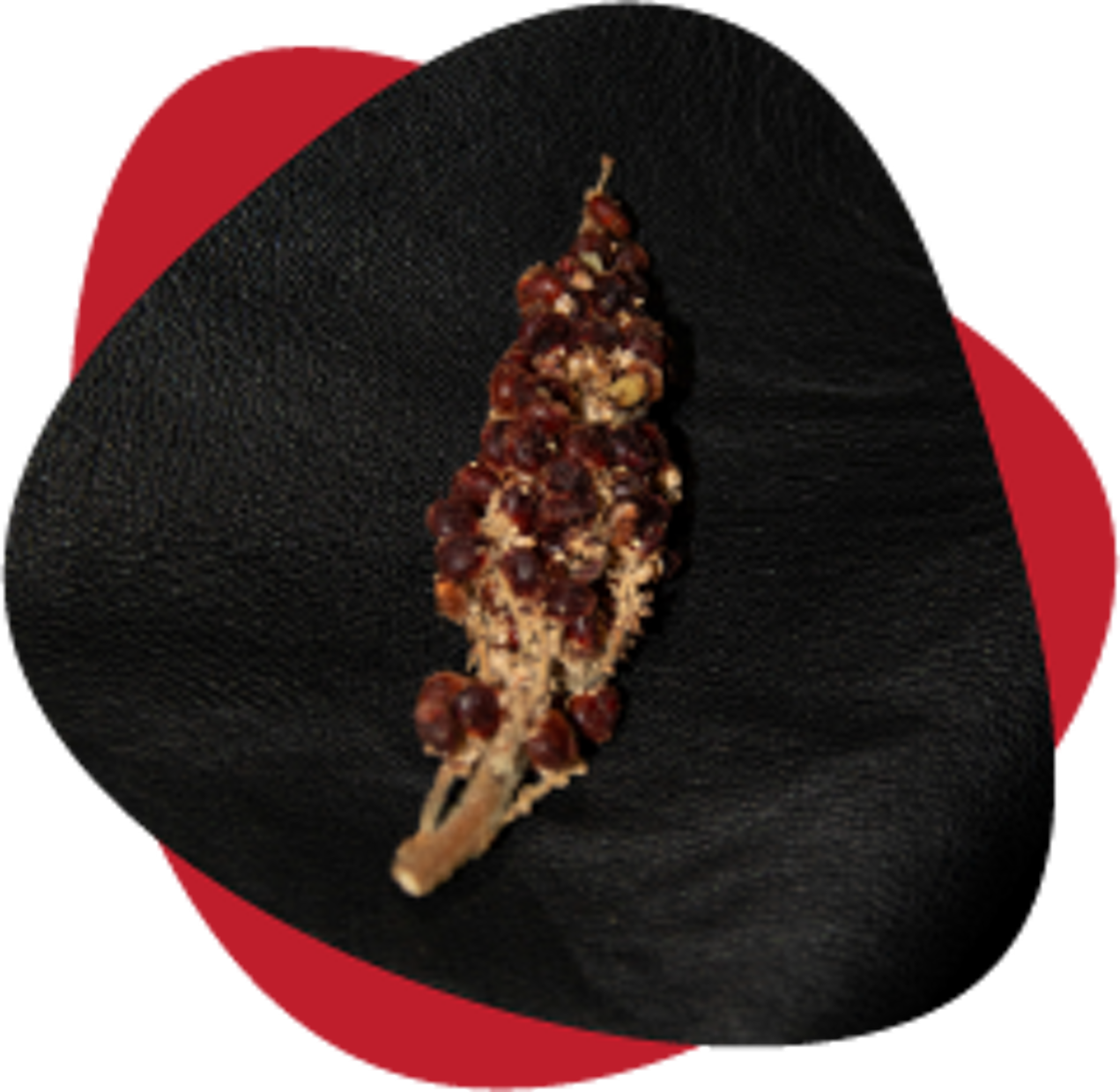
Sumac tanning offers a radically cleaner alternative. This article breaks down the problem and explains how a simple plant can dramatically reduce the industry’s water footprint.
The Water Cost of Traditional Tanning
Chrome tanning typically involves:
multiple chemical baths
heavy-metal salts
pH adjustments
long rinsing cycles
When combined, these stages demand large volumes of freshwater and create wastewater streams that are extremely challenging — and expensive — to treat.
Even with modern equipment, chrome tanning can generate toxic sludge that must be disposed of in special facilities to avoid contaminating groundwater and soil.
Why Chrome Is Such a Problem for Water Systems
Chrome salts can transform into hexavalent chromium (Cr VI), a toxic and carcinogenic compound.
If wastewater isn't perfectly managed:
rivers become contaminated
aquatic ecosystems are damaged
local communities face health risks
soil becomes infertile
This risk has led to increasingly strict regulations around effluent discharge.
How Sumac Tanning Reduces Water Pollution
Sumac tanning is fundamentally different:
uses plant-based hydrolysable tannins
creates biodegradable effluent
requires fewer chemical adjustments
produces no heavy-metal residues
reduces the need for aggressive wastewater treatment
In many facilities, the wastewater from Sumac tanning can be safely integrated into existing water treatment systems without requiring specialized chrome-removal stages.
Lower Water Consumption
Because the process is cleaner and chemically simple, it enables:
shorter rinsing cycles
fewer neutralization steps
less overall water consumption
This is critical for brands concerned with water scarcity, particularly in regions where tanneries operate under high environmental pressure.
A Cleaner Leather Bag Starts at the Tannery
Switching to Sumac leather means buying a product that inherently:
uses less water
pollutes far less
avoids long-term environmental damage
supports more sustainable manufacturing
Consumers rarely see this part of the process — but it may be the most important sustainability factor of all.
Conclusion
If the fashion and accessory industries want to reduce their true water footprint, the solution isn’t just recycling or eco packaging — it’s rethinking the tanning process. Sumac leather offers one of the simplest, most effective paths toward clean, responsible water management.